Step into a Greek home during Easter, and your senses are immediately enveloped. The air hums with anticipation, a symphony of warm bread, citrus zest, and perhaps the faint, sweet scent of mastic. Laughter spills from the kitchen, pots clang a rhythmic beat, and you just know an eager aunt is sneaking a taste of something deemed “not ready yet.” This isn't just a holiday; it's a profound culinary journey, a vibrant celebration that defines the Greek spirit.
For Greeks worldwide, Easter, or Pascha, isn't merely another date on the calendar. It’s the single most significant religious and cultural event of the year, eclipsing even Christmas in its importance, atmosphere, and the sheer scale of the festivities. If you're looking for an ultimate greek easter guide that delves into the heart of its food traditions, you've come to the right place. From solemn fasting to joyous feasting, Greek Easter is an unforgettable experience for the palate and the soul.
More Than Just a Date: The Uniqueness of Greek Easter
One of the first things many people notice is that Greek Easter often falls on a different date than Western Easter. This isn't arbitrary; it's because Greek Orthodoxy follows the Julian calendar for its religious observances, and Pascha always occurs after Passover. However, the exact date pales in comparison to its profound cultural weight.
To truly understand Greek Easter, one must grasp its emotional and communal significance. It is, unequivocally, the holiday. Louder, longer, and arguably far more delicious than any other, it embodies a cycle of spiritual reflection, culinary creativity, and ultimate joyous celebration. As many Greeks will tell you, Christmas was nice, but Easter was everything – a sentiment that perfectly captures its place in the national psyche. To explore this further, you might enjoy reading Why Greek Easter is Bigger Than Christmas: Dates & Customs.
Sarakosti: The Art of the Lenten Fast
The journey to Easter Sunday begins 40 days prior with Sarakosti, the Great Lent. Traditionally, this period of spiritual cleansing involves strict fasting: no meat, no dairy, no eggs, and only limited fish on specific days. While not every Greek family adheres to the full 40 days with unwavering strictness – many, like the family in our reference, focus intently on Holy Week – the principles of Lenten eating have profoundly shaped Greek cuisine.
This isn't a period of deprivation but rather one of incredible culinary innovation, demonstrating how Greek food truly shines with plant-based ingredients. Chefs and home cooks alike transform humble vegetables, legumes, and grains into dishes bursting with flavor. Imagine the creamy, lemony comfort of a Vegan Avgolemono, a soup that defies expectations, or a richly layered Vegan Moussaka, offering all the texture and aroma without the meat. Hearty, herb-infused Vegan Greek Meatballs make a perfect pairing with warm pita, while a simple One-Pot Greek Vegetarian Pasta proves that Lenten meals can be weeknight-friendly and utterly delicious.
The ingenuity extends to dips, sides, and snacks too. Flaky, crispy Vegan Spanakopita (spinach pie) remains a satisfying staple, while smooth, bright Fava Bean Hummus offers a unique twist on a familiar favorite. For those who love bold flavors, Skordalia, a garlicky potato or bread dip, is naturally vegan and incredibly robust. And of course, the simple, traditional Fakes (Greek Lentil Soup) is a staple, nourishing and wholesome. On specific days, like Palm Sunday, fish makes a welcome return to the menu, often prepared simply grilled with lemon and herbs, or as a vibrant Sheet Pan Salmon.
Holy Week's Aromas: Tsoureki and Red Eggs
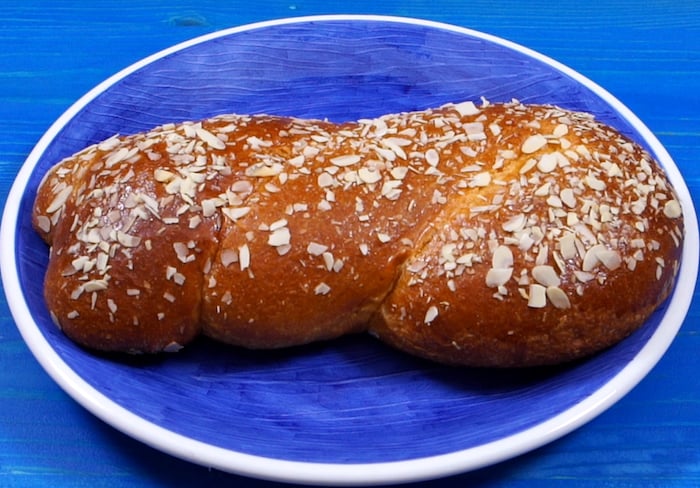
As Holy Week commences, the anticipation builds, palpable in the very air. By Holy Wednesday, the house truly becomes a symphony of aromas. The sweet, buttery fragrance of orange zest mingles with the subtle, resinous notes of mastic – an aromatic spice unique to Greece – signaling the advent of tsoureki. This traditional Greek sweet bread, braided and gleaming with an egg wash, is a cornerstone of Easter celebrations. Symbolizing the Resurrection and new life, baking tsoureki is a communal ritual, often involving multiple generations. Its soft, slightly chewy texture and distinctive flavor profile make it an irresistible treat, enjoyed throughout the Easter period.
Holy Thursday brings another iconic tradition: the dyeing of the red eggs. These eggs are far more than mere decoration; they are powerful symbols. The deep red color represents the blood of Christ, while the egg itself signifies the sealed tomb and the promise of resurrection. This is often a beloved family activity, with everyone, young and old, participating in stirring the dye pot. A word of caution from experience: enthusiastic stirring often leads to brightly stained fingers, and sometimes, shirts!
The red eggs play a central role in the cherished game of tsougrisma on Easter Sunday. After the traditional greeting of "Christos Anesti!" (Christ is Risen!), families gather to tap their eggs together. The goal is to crack your opponent’s egg while keeping your own intact, symbolizing Christ's triumph over death and the breaking open of the tomb. It’s a lively, competitive, and laughter-filled tradition, where the owner of the last uncracked egg is said to have good luck for the year.
The Grand Finale: Pascha's Feast
Good Friday is the most solemn day of Holy Week. The air is quiet, often carrying the scent of jasmine and incense, and church bells toll with a reflective cadence. Meals remain simple and Lenten, a quiet contemplation before the grand explosion of joy.
The true climax arrives after the midnight Resurrection service on Holy Saturday. As the churches fill with candlelight and the jubilant chant of "Christos Anesti!" echoes through the night, the 40-day fast is finally broken. The very first meal after midnight is often mageiritsa, a traditional Greek lamb offal soup. While perhaps an acquired taste for some, it’s a deeply symbolic dish, prepared to use up the lamb giblets from the next day's feast, gently easing the stomach back into eating meat after Lent.
Then comes Easter Sunday itself – the ultimate feast. This is where the sheer abundance of Greek hospitality truly shines. The centerpiece is often a whole lamb roasted on a spit, slow-cooked to perfection over an open fire, its aroma wafting through villages and neighborhoods. For those who prefer alternatives, succulent roast lamb or goat in the oven, often accompanied by roasted potatoes, are equally popular. The table groans under the weight of an array of salads, dips, fresh vegetables, and, of course, plenty of tsoureki and the victorious red eggs. Wine flows freely, music plays, and families and friends gather to eat, drink, dance, and celebrate life, faith, and togetherness. It's a testament to the power of community and the profound joy of shared sustenance.
If you're looking for more details on the culinary journey of this period, our Greek Easter: A Culinary Guide to Lent, Feasts & Traditions provides an even deeper dive into the recipes and customs.
Embracing the Greek Easter Experience
Experiencing Greek Easter, whether in Greece or with a Greek family abroad, is a profound cultural immersion. It's a journey from introspection and mindful eating during Lent to the exuberant celebration of life and family. Don't be shy to try the Lenten dishes; they are a testament to Greece's rich culinary heritage. When Holy Week arrives, keep an eye out for the vibrant red eggs and perhaps even participate in a friendly game of tsougrisma. And most importantly, prepare your palate for the incredible feast of Pascha, a true culinary spectacle.
From the symbolic dyeing of red eggs and the aromatic baking of tsoureki to the solemn observance of Good Friday and the glorious feasting of Easter Sunday, Greek Easter is a testament to the profound connection between faith, family, and food. It’s a holiday that resonates deeply, offering a unique blend of spiritual reflection and joyous celebration, all woven together by an unparalleled culinary tradition. This greek easter guide only scratches the surface of the rich, multi-sensory experience that awaits.
